An Introduction to Permaculture
In a 2024 APW’s pānui newsletter celebrating International Permaculture Month (from May the 5th), Sarah asked our founders, Gary, Ron and Finn, to share their earliest permaculture memories—how, when and where they first came across permaculture. Read their permaculture origin stories below.
Through our new Foundation Programme, we’re expanding beyond Auckland to share our unique approach to permaculture education with communities across Aotearoa and beyond.
See our crowdfunding campaign here for information and to support the launch of our new Foundation Programme.
Gary's introduction to permaculture
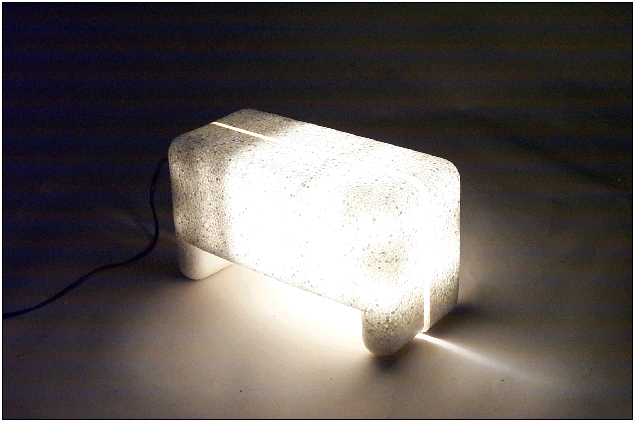
“I have always had a passion for art and design, and in 2001, I finished my degree in 3D design. Shortly after, I packed my bags for Melbourne to begin my career as a professional furniture and object designer. During my training, I started to explore ideas around design and sustainability, mainly by making furniture and lamps out of recycled materials—essentially upcycling before it got its name.
In the process of unsuccessfully looking for work, I started to realise that I didn’t really want to design furniture and objects. Moreover, no matter how much I enjoyed the process, designing and making furniture by hand was ultimately unsatisfying as the typical customers for this work were rich people who didn't need it. I also came to appreciate that no matter how ‘sustainable’ a piece of furniture is, it still uses precious resources. I felt that same way about architecture, which I was starting to explore as a new direction. I didn’t have the language at the time, but what I realised later was that a piece of furniture or a building can’t really ever be regenerative.
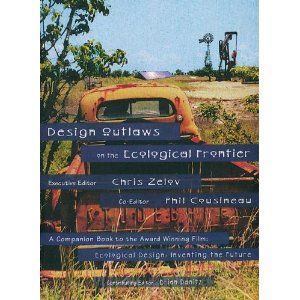
It was at this point that I came across a book at the Friends of the Earth bookshop called Design Outlaws on the Ecological Frontier, edited by Chris Zelov, Phil Cousineau and Brian Danitz. The book was a collection of interviews with a wide range of designers on the edge of ecological design and thinking, and it is not an exaggeration to say that this book changed my life. Two interviews stood out in particular, one with permaculture co-founder Bill Mollison and the other with landscape architect Ian McHarg. Up until this point, I had no idea about either permaculture or landscape architecture. What resonated with me was the way in which landscape architecture and permaculture brought together my passion for design with ecology and the idea that ecology can be a medium for design. Design Outlaws helped me to realise that it is possible to design with nature, and once I discovered landscape architecture and permaculture, I was away and have not looked back 😊 "
Ron's introduction to permaculture
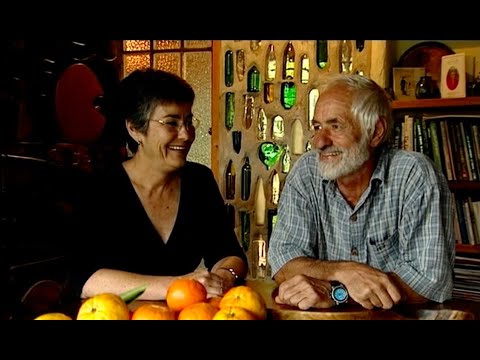
"On Christmas Eve of 2006, I had a very rare moment when I found myself watching TV. A Country Calendar segment about Rainbow Valley Farm in Matakana was playing. I recall not only being transfixed by what I saw but also the tears welling up for me as I contrasted my existence with what I saw taking place there at Rainbow Valley Farm. Here were a couple who had turned their gorse-ridden hill into a paradise where they lived to a good degree off the land. This felt like the fulfilling life I was meant to be living. My thoughts often travelled back to this place in the days that followed. When, by a serendipitous series of events, I ended up staying in Matakana a few weeks later and heard about an open day at Rainbow Valley Farm - well, as the Rolling Stones put it “wild horses couldn’t keep me away”. I absolutely nourished my soul with what I encountered that day on the tour, confirming every whim of what I‘d seen on TV. They mentioned they had an upcoming Permaculture Design Course the following month. I had not much of an idea what that meant, but I figured if I came out with more knowledge on growing food, I’d easily have my money’s worth and signed up quicksmart.
Those two weeks at Rainbow Valley Farm changed my life forever. Joe Polaischer, Trish Allen, Darren Doherty, and Betsy Kettle's guest tutor cameo made a huge impact on me. It felt like I had finally found a lens through which all my previously acquired skills and knowledge had their place, and more importantly, I had found my “thing.” Realising I had just begun a long adventure, I have been breathing, eating, and sleeping permaculture ever since.
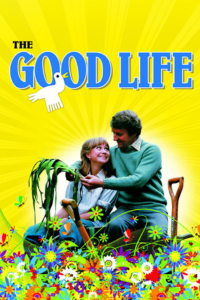
The prequel to all this, I realise now having written the above, might well be the British sitcom “The Good Life”, about a British couple living as urban homesteaders, much to the chagrin of their want to be upper-class neighbours. I think others enjoyed the comedic tension, but I was always fascinated by their lifestyle, not to mention the teeny crush I had on Felicity Kendall, LOL. The show pre-dated permaculture, but they would have been right into it."
Finn's introduction to permaculture
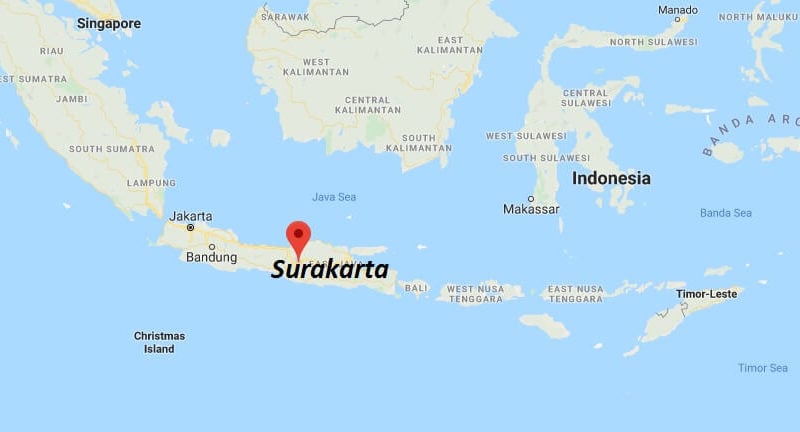
"In late 1998, I was travelling post-Suharto Indonesia, where I was invited to Surakarta/Solo (central Jawa) to visit some friends of mine. I ended up staying at an unoccupied house of some CUSO volunteers for a while as they had been evacuated to Australia by the Canadian government (due to the political instability created by the recent economic crash and fall of Suharto's regime). Once they returned, we talked about their work, and some of it involved supporting an agriculture initiative on the edge of the city to re-invigorate traditional dryland rice cultivation by integrating permaculture principles. The programme involved bringing young city kids together and showing them how food used to be grown in the area, exposing them to ecological design, and teaching them about natural farming.
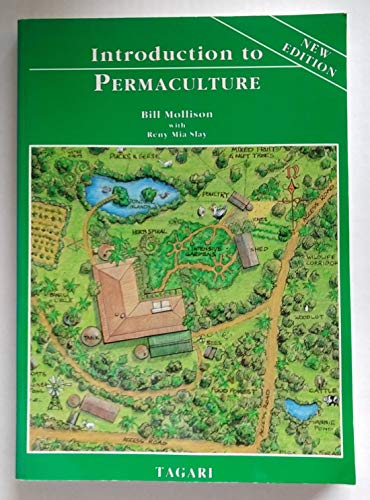
When this peaked my interest, I was given a copy of Introduction to Permaculture, by Bill Mollison, 1991, to read. I spent the next two days immersed in this book. It was life-changing for me, and I had, at least in part, answered some questions I had come to Indonesia in the hope of answering. One of those questions was what are viable alternative lifeways and political economies to the dominant capitalist-consumer-nature domination system I was raised in—permaculture presented, and remains a foundation for another way for me to think about and live in a place that aligns strongly with my ethics and values."